
For the driest weather, visit St. John from January to April: February and March are the driest months, and winter is peak season. For fewer visitors, come in late spring or early summer, when the tourism department says the low season begins. September to November is the wettest stretch and the heart of hurricane season, but September and October are also the quietest months on the island. Here is what each month brings, using NOAA's climate records and the National Park Service's own advice.
The short version
- Driest: February and March, with under 2 inches of rain a month on average.
- Busiest: winter, which the U.S. Virgin Islands Department of Tourism calls the dry season and peak travel time.
- Quietest: September and October, which the tourism department names the quietest months to visit.
- Wettest: September to November, with 5 to 6 inches of rain a month.
- Hurricane season: June 1 to November 30, with most activity from mid-August to mid-October.
- Water: warm all year, from about 78°F in February and March to about 83°F in September.
St. John weather by month
Air temperature changes very little on St. John. NOAA's 1991-2020 climate normals for the Cyril E. King Airport station on St. Thomas, the nearest station with temperature records, put the average high between 84°F in January and 90°F in August. What changes is the rain, the wind and the crowds. The National Park Service sums it up: winter tends to bring stronger winds and less rain, and summer tends to bring more rain and lighter winds.
The figures below are NOAA's monthly averages for that station (average high, average low, rainfall). Sea temperatures are NOAA Coral Reef Watch's monthly means for the Virgin Islands, rounded.
- January: 84°F / 74°F, 2.6 in of rain. Water about 79°F. Peak season, and one of the coolest nights of the year.
- February: 84°F / 74°F, 1.9 in. Water about 78°F. One of the two driest months; on the St. John side, the Coral Bay station records February as its driest month.
- March: 85°F / 74°F, 1.9 in. Water about 78°F. Dry and busy, with spring break visitors.
- April: 86°F / 76°F, 2.2 in. Still dry, with the winter crowds starting to thin.
- May: 87°F / 78°F, 3.0 in. Rain begins to pick up, and it gets warmer.
- June: 89°F / 79°F, 2.4 in. Water about 82°F. Hurricane season opens on June 1, and the low season is under way.
- July: 90°F / 79°F, 2.9 in. The St. John Celebration fills Cruz Bay in the days up to July 4.
- August: 90°F / 80°F, 4.4 in. Water about 83°F. The warmest month on land, and hurricane activity starts to build.
- September: 89°F / 80°F, 5.9 in. Water about 83°F, the warmest of the year. The statistical peak of the hurricane season is September 10.
- October: 88°F / 78°F, 5.3 in. Water about 83°F. Quiet, wet and still in the busiest part of the storm season.
- November: 87°F / 77°F, 6.1 in. The wettest month at the airport, and on St. John too: the Coral Bay station averages about 7.2 inches. Hurricane season ends on November 30.
- December: 85°F / 75°F, 2.9 in. Water about 80°F. Drier weather returns, along with the winter visitors.
Averages are a guide, not a forecast. Check the National Weather Service forecast for St. Thomas, St. John and adjacent islands in the week before you travel.
High season, low season and the quiet months
Winter (December to April): dry and busy
The tourism department calls winter the dry season and peak travel time, and says winter tends to have the clearest underwater visibility, which makes it the favourite for snorkelers. The one caution is on the North Shore. The National Park Service warns that winter cold fronts can send large waves onto the north shore beaches and asks swimmers to use extreme caution entering the water. Check the surf flags before you swim: red means extremely hazardous conditions.
Summer (May to August): the low season begins
The tourism department says summer kicks off the low season. The winds are lighter and the water is warmer. The park notes that tropical waves in summer can bring clouds of African dust, which can make the sky look hazy for a day or two.
Fall (September to November): wet and quiet
The tourism department calls fall the wettest period of the year and says September and October are the quietest months to visit, with the best hotel and flight deals. The trade-off is weather risk: it says those two months carry the highest risk of storms, and it suggests looking for flexible cancellation policies and considering travel insurance.
Hurricane season on St. John
The Atlantic hurricane season runs from June 1 to November 30, according to NOAA's National Hurricane Center. Its peak is September 10, and most activity falls between mid-August and mid-October. An average season (1991-2020) brings 14 named storms, 7 hurricanes and 3 major hurricanes across the whole Atlantic basin, not just the Virgin Islands.
If you travel in those months, a few steps help:
- Follow the National Hurricane Center and the National Weather Service forecast for the islands in the days before you fly.
- Read your travel insurance before you buy it, including when cover starts for a named storm.
- Check the cancellation terms on your flights and your stay, and ask your airline about its weather policy.
St. John events through the year
- St. John Celebration (late June to July 4): the island's biggest festival, marking the end of slavery on the islands on July 3, 1848, and Independence Day on July 4. The tourism department lists Pan-O-Rama, the Food Fair, J'ouvert, the Fourth of July Parade and fireworks over Cruz Bay harbor. The next edition runs from June 27 to July 4, 2027. Cruz Bay is at its liveliest that week, so book early if you want to be in town for it.
- Love City Seafood Festival (January): a one-day food festival on St. John, listed by the tourism department. The 2026 edition was held on January 10.
- Holidays: the national park's Cruz Bay visitor center is closed on Thanksgiving Day, December 25 and July 4. The park itself is open 24 hours a day, all year.
Before you go, in any season
- No passport needed: U.S. citizens arriving from the U.S. mainland or Puerto Rico do not need a passport for the U.S. Virgin Islands, according to the tourism department. A REAL ID is required at TSA checkpoints.
- Visitor center: the park's Cruz Bay visitor center is open Monday to Thursday from 8:15 a.m. to 4:00 p.m. and Friday from 8:15 a.m. to 1:30 p.m.
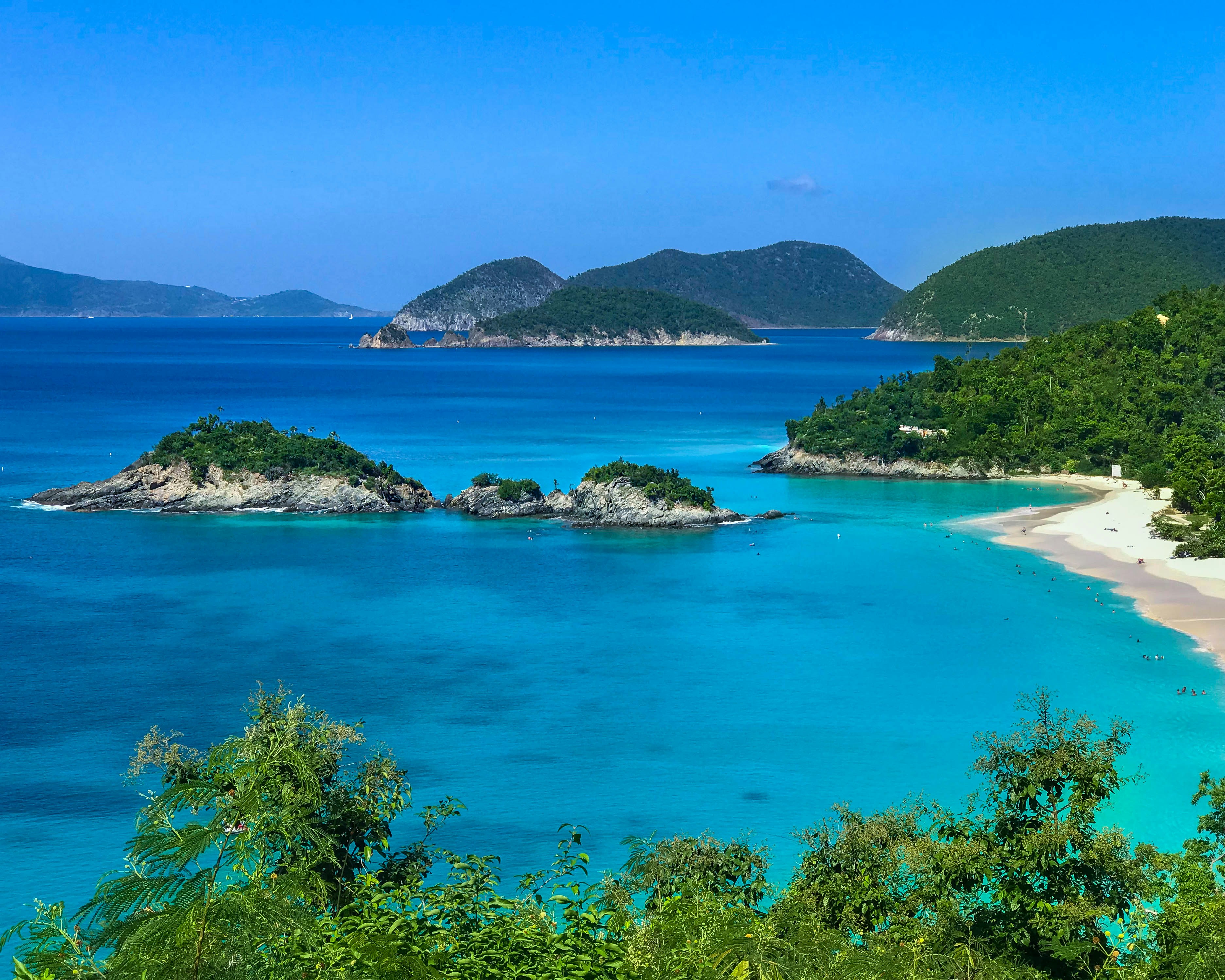
- Trunk Bay: the park has no entrance fee, but Trunk Bay charges $5.00 per person for ages 16 and up, from sunrise to sunset. The park has proposed raising this fee, so check Recreation.gov before you go. There are no lifeguards on duty.
- Sunscreen: the National Park Service asks visitors to use sunscreen free of oxybenzone, octinoxate and octocrylene.
Where to stay, whatever the month
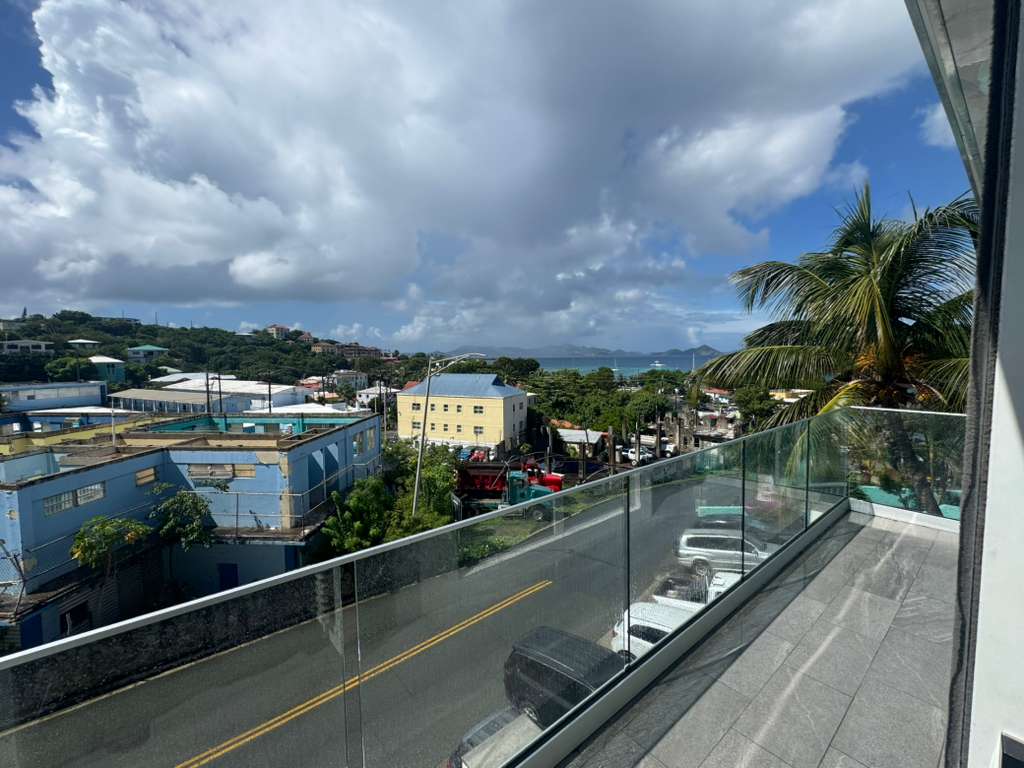
Staying in Cruz Bay keeps the ferry dock, the visitor center, the safari taxis and the restaurants within walking distance in any season. Dolphin Suites sits above Dolphin Market at 18-27 Estate Enighed, about a 5-minute walk from the ferry dock and 3 minutes from the beach. Every Dolphin suite has one bedroom, one bathroom, a full kitchen, air conditioning, Wi-Fi, a washer and dryer and a balcony. Four suites sleep 2 guests and four sleep up to 4, and Unit 2 and Unit 4 have the ocean view.
For couples, Raintree Suites is a brand-new one-bedroom apartment for two, about a 5-minute walk from the ferry dock and the beach. Compare both on our apartments and suites page, or check availability for your dates and book direct.
More guides for planning your trip
- Where to stay in St. John: Cruz Bay vs Coral Bay
- St. John beaches without a car
- First time in St. John: what to know before you go
- How to get from St. Thomas airport to Cruz Bay
- Plan your visit to St. John
Frequently asked questions
What is the best month to visit St. John?
For dry weather, February or March, the driest months in NOAA's records. For fewer visitors, September or October, which the tourism department calls the quietest months, though they fall in the wettest and stormiest part of the year.
When is hurricane season in St. John?
June 1 to November 30. The National Hurricane Center puts the peak on September 10, with most activity between mid-August and mid-October.
What is the rainiest month in St. John?
November. It averages about 6.1 inches at the St. Thomas airport station and about 7.2 inches at Coral Bay on St. John. September and October are also wet.
How warm is the water in St. John?
Warm all year. NOAA Coral Reef Watch's monthly means for the Virgin Islands range from about 78°F in February and March to about 83°F in September.
When is the St. John Celebration?
In the days leading up to July 4. The next edition runs from June 27 to July 4, 2027, ending with the Fourth of July Parade and fireworks over Cruz Bay harbor.
Do I need a passport to visit St. John?
Not if you are a U.S. citizen arriving from the U.S. mainland or Puerto Rico. You will need a REAL ID at the TSA checkpoint.
Sources
- NOAA NCEI: 1991-2020 climate normals, Charlotte Amalie airport and Coral Bay, St. John
- NOAA Coral Reef Watch: Virgin Islands sea surface temperature
- NOAA National Hurricane Center: tropical cyclone climatology
- National Weather Service: St. Thomas, St. John and adjacent islands forecast
- National Park Service: weather
- National Park Service: operating hours and seasons
- National Park Service: fees and Recreation.gov: Trunk Bay pass
- National Park Service: safety
- U.S. Virgin Islands Department of Tourism: weather and no passport required
- U.S. Virgin Islands Department of Tourism: St. John Celebration and Love City Seafood Festival
Where to stay in Cruz Bay
DGMI Properties manages two places to stay in the heart of Cruz Bay, both about a 5-minute walk from the ferry dock. Dolphin Suites has eight one-bedroom suites with full kitchens that sleep 2 to 4 guests. Raintree Suites is a brand-new one-bedroom apartment for two, steps from the beach. Planning your trip? Our Plan Your Visit guide covers the ferry, groceries and what to pack.